Central High School’s Ride Lab Connects Boards and Classroom Work |
The new course combines physics and business, with hands-on skateboard work confirmed by TCAPS |
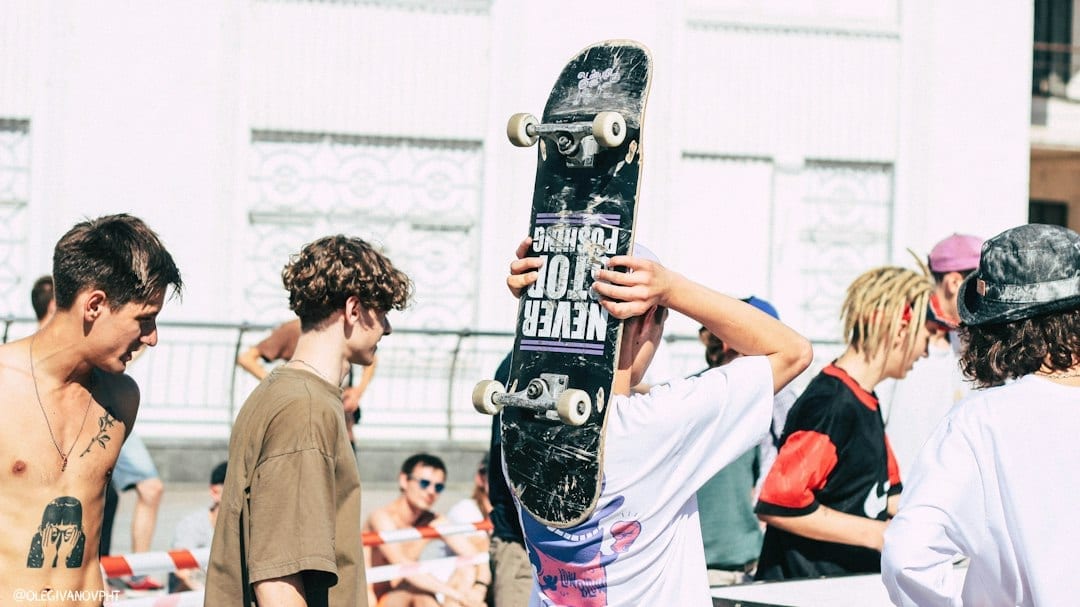
Illustrative stock image; not the reported local people, facility or project. Photo by Oleg Ivanov on Unsplash.
Skateboards are becoming part of the academic work at Traverse City Central High School through a new course called the Ride Lab.
An October 17 report by The Ticker describes a double-block class combining physics with business, marketing and advertising.
The school district has separately documented students designing and building custom skateboards in Central’s Innovation and Manufacturing Center.
Together, the accounts place the program within this fall’s local education news.
More than a finished board
Teacher Brett Derr told The Ticker that students are expected to develop a boarding brand as well as work with the physical product.
The report describes a planned public presentation near the end of the school year.
That is a future plan rather than a currently scheduled event readers can book.
A date, public admission details and final program would require a later school announcement.
For now, the news is the course itself and the connection it makes between a designed object and the work needed to explain and present it.
The district’s own account
In a September 30 TCAPS announcement, the district said Michigan State Superintendent Glenn Maleyko visited September 25 and watched Ride Lab students work on custom skateboards.
TCAPS described the project as an application of engineering, mathematics and manufacturing skills.
The visit also included the district’s transportation facility and Traverse Heights Elementary.
At the elementary school, student leaders guided the visitor through an experience intended to reflect the welcome a new student would receive.
Those details provide a broader district context without establishing any measured result for the Ride Lab.
What the project asks readers to notice
The course links several different kinds of work: understanding movement, making an object and communicating an idea to an audience.
Those are distinct tasks even when they share one project.
A board can be evaluated for how it was built; a presentation can be evaluated for how clearly students explain their decisions.
Their combination is the program’s reported structure, rather than proof that one approach suits every student.
No comparative test results or completed-year outcomes are established in the sources cited here.
Claims that the course has already improved achievement would therefore go beyond this update.
What families can ask
Families interested in the class can use TCAPS’s official channels to ask about current course information.
Useful questions include the credits involved, prerequisites, assessment and how the program fits a student’s broader plan.
Those details should come from the school rather than assumptions based on the project’s name.
Someone interested in future public displays should wait for the school’s confirmed invitation before planning to attend.
A proposed capstone does not by itself establish an open date or an opportunity to buy products.
A local education story to follow
The current reporting gives residents a concrete example of what students are doing inside an innovation and manufacturing setting.
It also leaves worthwhile questions for later coverage: what students produce, how they explain their decisions and what they learn across the year.
Follow-up reporting can distinguish the original ambition from completed work.
For CherryBuzz readers, the immediate development is a new connection between classroom subjects and a hands-on project.
The school district’s account confirms that the skateboard work is happening, while the October reporting adds the course’s academic and business framework.
Future event details and any evidence of longer-term results remain to be confirmed.
Sources checked October 19, 2026 |
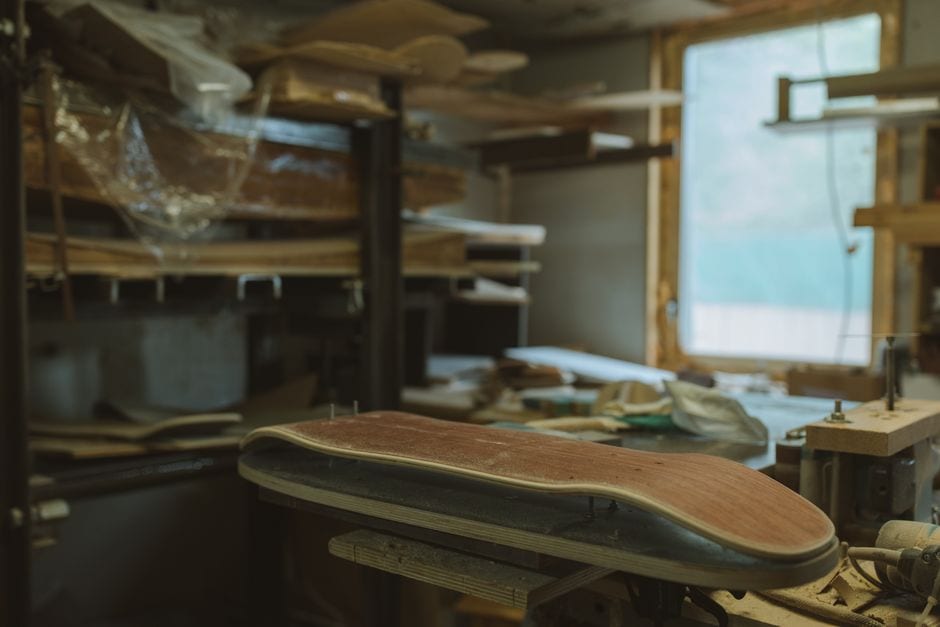 Illustrative stock image; not the reported local people, facility or project. Photo by Yaroslav Shuraev on Pexels. |


7 Comments
Join the conversation
can we see the finished boards?
We’d love to see them too. The district has shown students working on custom boards, but we haven’t seen a confirmed public display of finished ones yet.
double block seems like a lot for skateboards
Tom H.I wondered that too, but building the boards and doing the business side could fill the time. I'd be curious how the credits work.
skateboard physics sounds fun
Maya R.Same here. Testing how wheel size affects a ride would have made physics click for me.
It does! Ride Lab pairs the physics of movement with building boards and developing a boarding brand.