
Traverse City Talk Connects Regenerative Agriculture and Rivers |
Adam Brown leads the November 18 Year of the River program at Boardman River Nature Center |
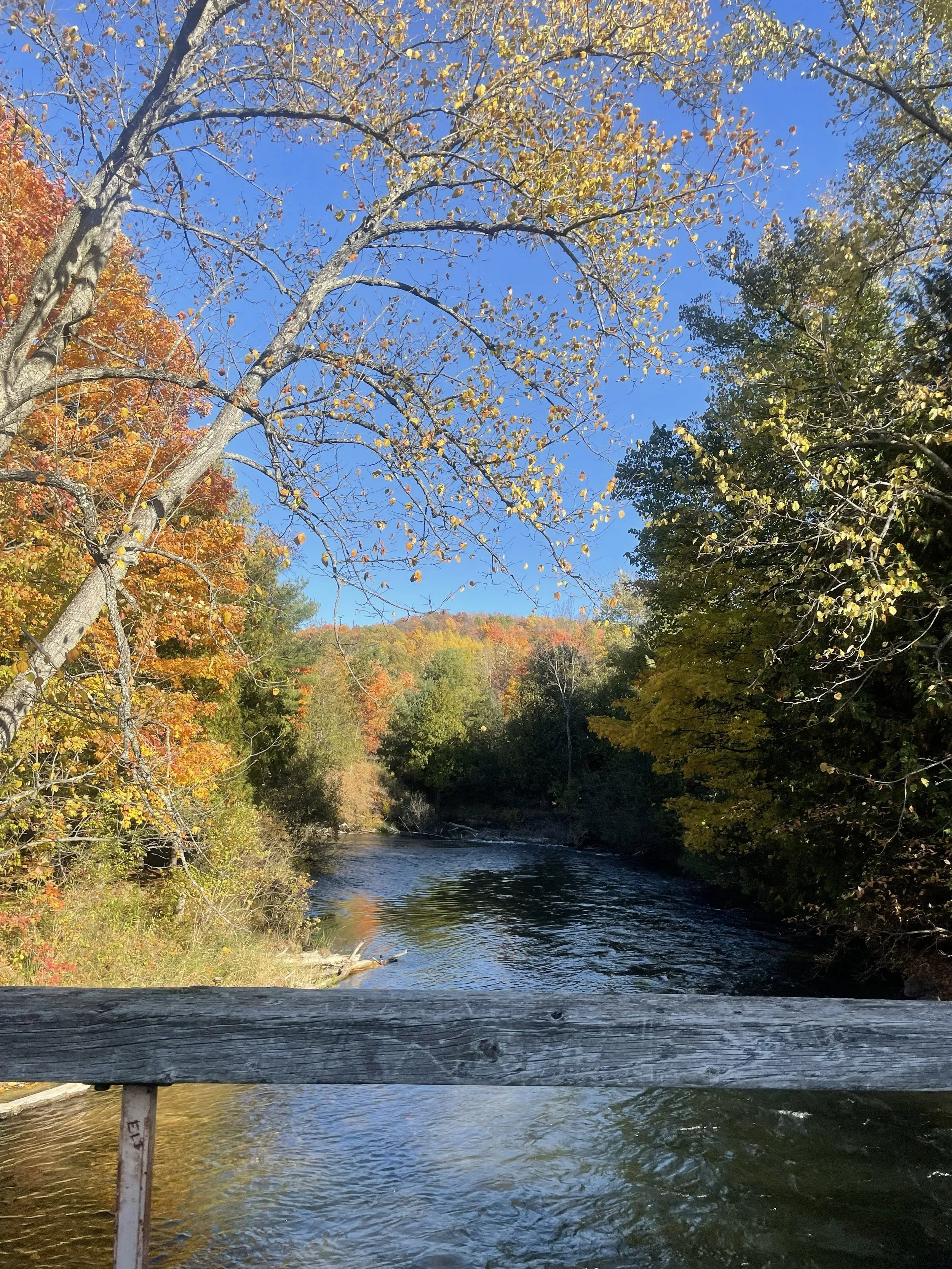
A November talk at Boardman River Nature Center will put farming and river stewardship in the same conversation as Grand Traverse Conservation District continues its Year of the River speaker series.
The November 18, 2026, program is titled Regenerative Agriculture and Clean Rivers and features Adam Brown, the district's agriculture program coordinator.
The district lists the audience as adults and teens, with advance registration at $5 per person.
The registration form confirms the evening time
The event page's calendar header shows 5–6 p.m., and the official registration form confirms that evening schedule; one sentence in the event description contains a conflicting “am” typo.
The program is at Boardman River Nature Center, 1450 Cass Road in Traverse City.
Use the registration form and your confirmation when planning arrival, and contact the district if an updated notice changes the schedule.
A local setting for the subject
The speaker series is part of the district's observance of 85 years of conservation and includes subjects connected to the Boardman–Ottaway River and surrounding landscapes.
For background on the agriculture side, the district's Great Lakes Incubator Farm page describes a training operation at Grand Traverse County's historic Meyer Farm property, across the river from the nature center.
The farm says its work supports aspiring farmers through hands-on experience, access to land and shared resources.
Its listed growing principles include maintaining living roots, reducing soil disturbance, using crop diversity and protecting the soil with organic material.
Those are descriptions of the district's farm practices, not a promise that the November presentation will cover every technique or provide an individual farm plan.
Bring a question you can use
A practical way to approach the evening is to choose one question before arriving, such as how the district evaluates a growing practice or where a beginning farmer can find training information.
Residents interested primarily in water can ask how the organization connects its agricultural work with river conservation and what evidence it uses to assess progress.
These are suggested questions for listeners, not an announced agenda or a guarantee of a question-and-answer period.
If you need advice specific to a property or business, ask staff how to arrange a separate conversation rather than expecting a short public talk to resolve the issue.
Keep training and event registration separate
The incubator farm page describes programs beyond this evening lecture and says applications for its 2026 training season are closed.
Registering for the talk should not be treated as an application for farm training, land access or another district service.
Readers considering a future agricultural program should request current eligibility, dates and costs directly, since the farm page contains some season-specific information.
Arrange access before the program
The November registration form asks about accommodation needs and notes that interpreter services require two weeks' notice.
The nature center's visitor page lists regular daytime hours separately from special evening programs, so follow the workshop confirmation for arrival instructions.
Before paying, read the district's linked program policies and retain the registration confirmation.
If attending with a teen, enter the whole party accurately in the registration form and review any participation requirements together so the confirmation reflects everyone who intends to attend.
Recheck the event page before traveling, especially if another person is arranging the ride, and bring the question that made the subject worth an evening visit. |
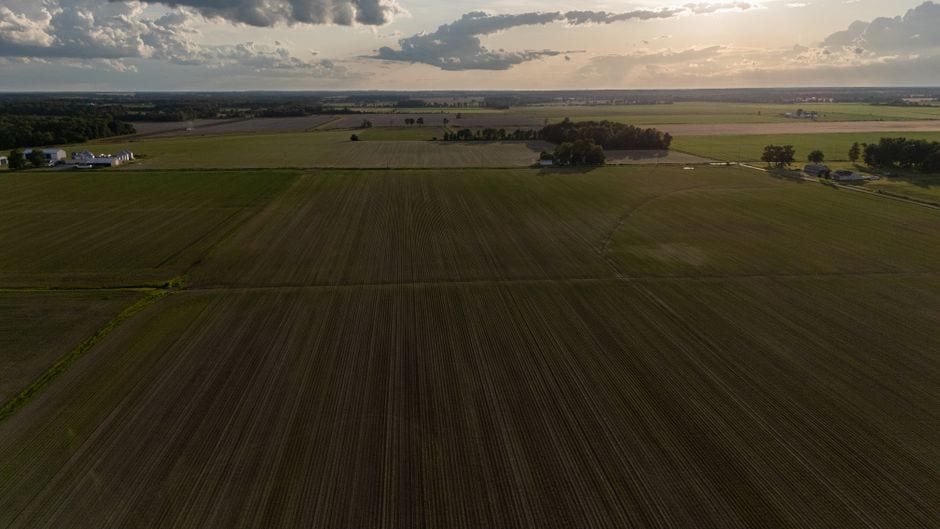 Photo by Sam McCool on Pexels — illustrative farmland photograph; not identified as a Grand Traverse farm. |

0 Comments
Join the conversation
Be the first to comment
Share your thoughts above.