
Charlevoix rocks |
A practical guide to beachcombing, fossil finds and responsible collecting |
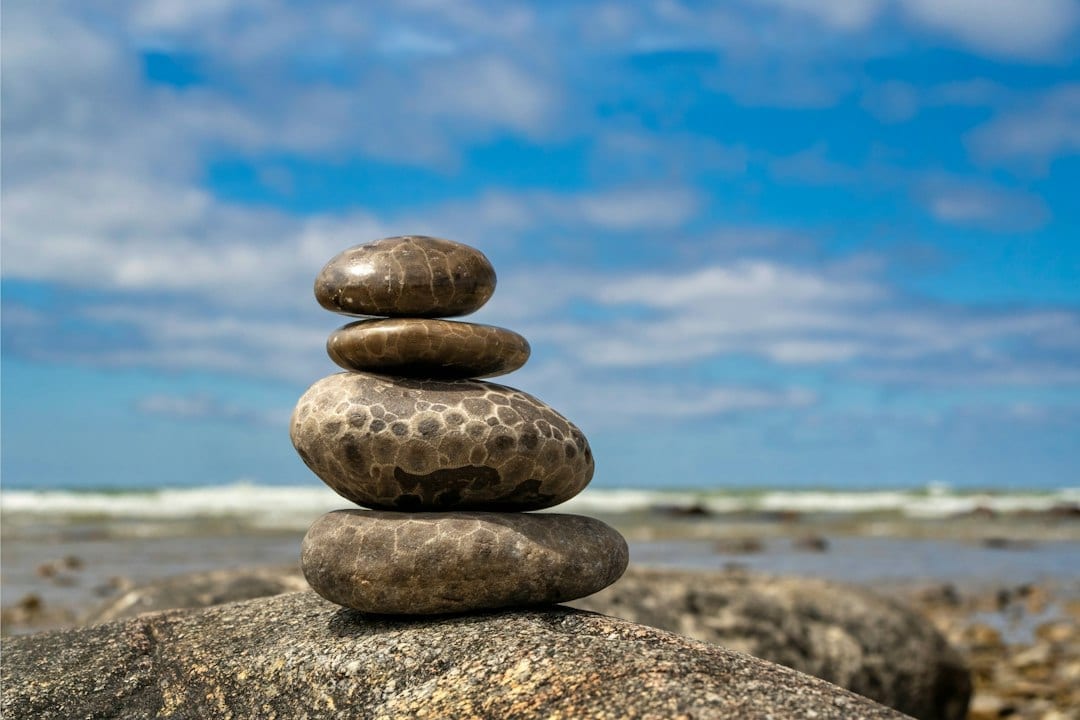
Charlevoix rocks turn an ordinary shoreline walk into a small investigation: a patterned pebble, a rounded fragment of limestone, or a fossil that looks surprisingly like something alive.
The appeal is easy to understand, but a good outing starts with realistic expectations: no beach guarantees a particular stone, and permission to walk somewhere does not automatically include permission to collect.
Start with the landscape
Michigan’s EGLE rockhounding guide explains how glaciers transported rock and how wave action can expose pebbles as surrounding material washes away.
That makes the shoreline a changing outdoor classroom rather than a fixed treasure display.
Instead of racing along the water looking only for a perfect souvenir, choose a small patch and compare shapes, colors and surface patterns.
Keep a phone photograph of anything unfamiliar, ideally with a ruler or another size reference beside it.
A local place to begin
Michigan Beach Park offers Lake Michigan access near downtown and the lighthouse, making it a practical first stop for a beach walk.
Use the park’s posted rules to establish where you may go and ask the responsible land manager about collecting before taking anything home.
A shoreline photograph can be a satisfying record even when keeping a specimen is restricted or its identity remains uncertain.
Choose stable footing, stay out of rough water and postpone the search when waves reach your walking area.
Look for patterns, not just color
EGLE’s Michigan fossil identification page distinguishes Petoskey stones, associated with Hexagonaria coral, from Charlevoix stones, associated with Favosites.
Both names describe fossil coral finds, but they are not interchangeable labels for every patterned beach rock.
At first, simply separate specimens with repeating cells from plain or irregularly marked stones.
Photograph the dry surface and, when permitted, the same loose stone dampened with a little clean water so you can compare the visible detail.
Do not break a specimen apart just to make a quicker identification.
Bring a small observation kit
A magnifying glass, a reusable water bottle, a notebook and a towel are more useful for a beginner than a heavy bucket.
Record the date and general location of each observation, keeping individual photographs connected to the correct specimen.
For a family outing, give everyone a different assignment: spotting stripes, finding rounded shapes or drawing an unusual pattern.
That keeps the activity interesting even when the day produces no confidently identified fossil.
Keep the collection modest
Review Michigan’s collecting guidance, including the 25-pound annual limit on state-owned land, and check site-specific restrictions that may be stricter.
Private property requires permission, and a public park, nature preserve and national park can have different rules.
Treat the statewide allowance as a limit where collecting is permitted, never as a target or a blanket authorization.
Before leaving, return unwanted loose stones where they came from and keep paths, plants and other visitors undisturbed.
The best Charlevoix rock-hunting habit is patient observation: learn one new pattern, take careful notes and leave enough of the shoreline for the next person to discover.
Back at home, compare your photographs with identification references before attaching a permanent name to a find.
If the pattern remains ambiguous, label it as unidentified fossil coral and keep learning; an honest description is more useful than a confident guess. |
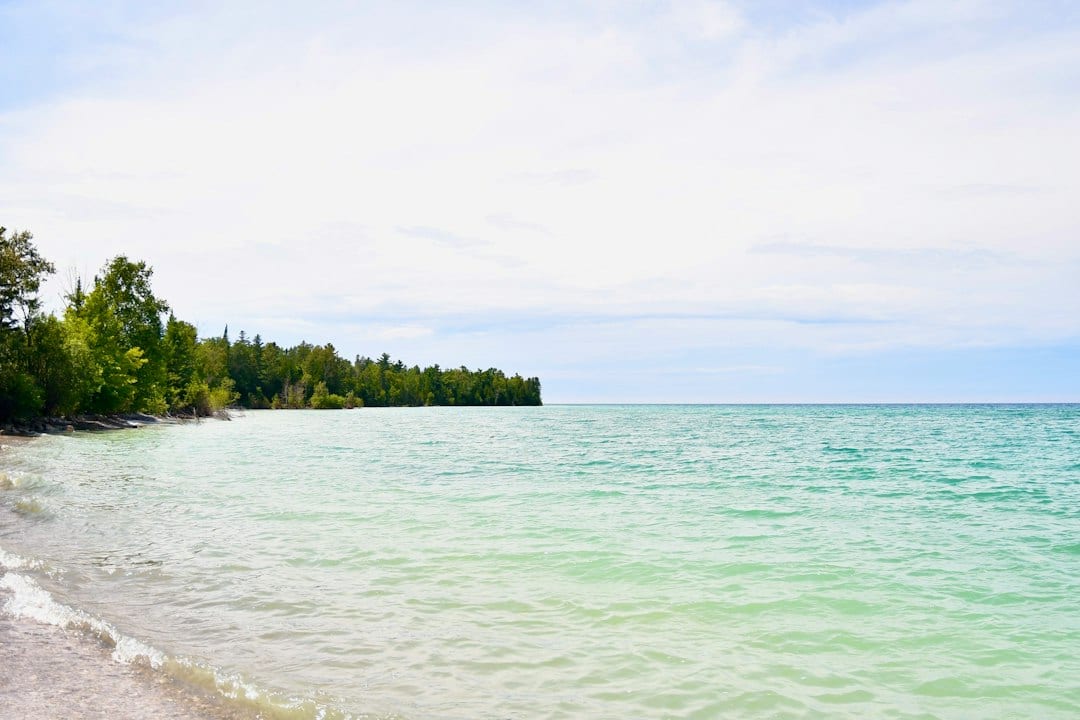 Photo by Peggy Paulson on Unsplash — Lake Michigan, summer 2020; archival stock photograph, not current conditions. |




0 Comments
Join the conversation
Be the first to comment
Share your thoughts above.