Tax increment financing and infrastructure improvements in Traverse City Mi |
Covering the tif plan traverse city and two way streets traverse city |
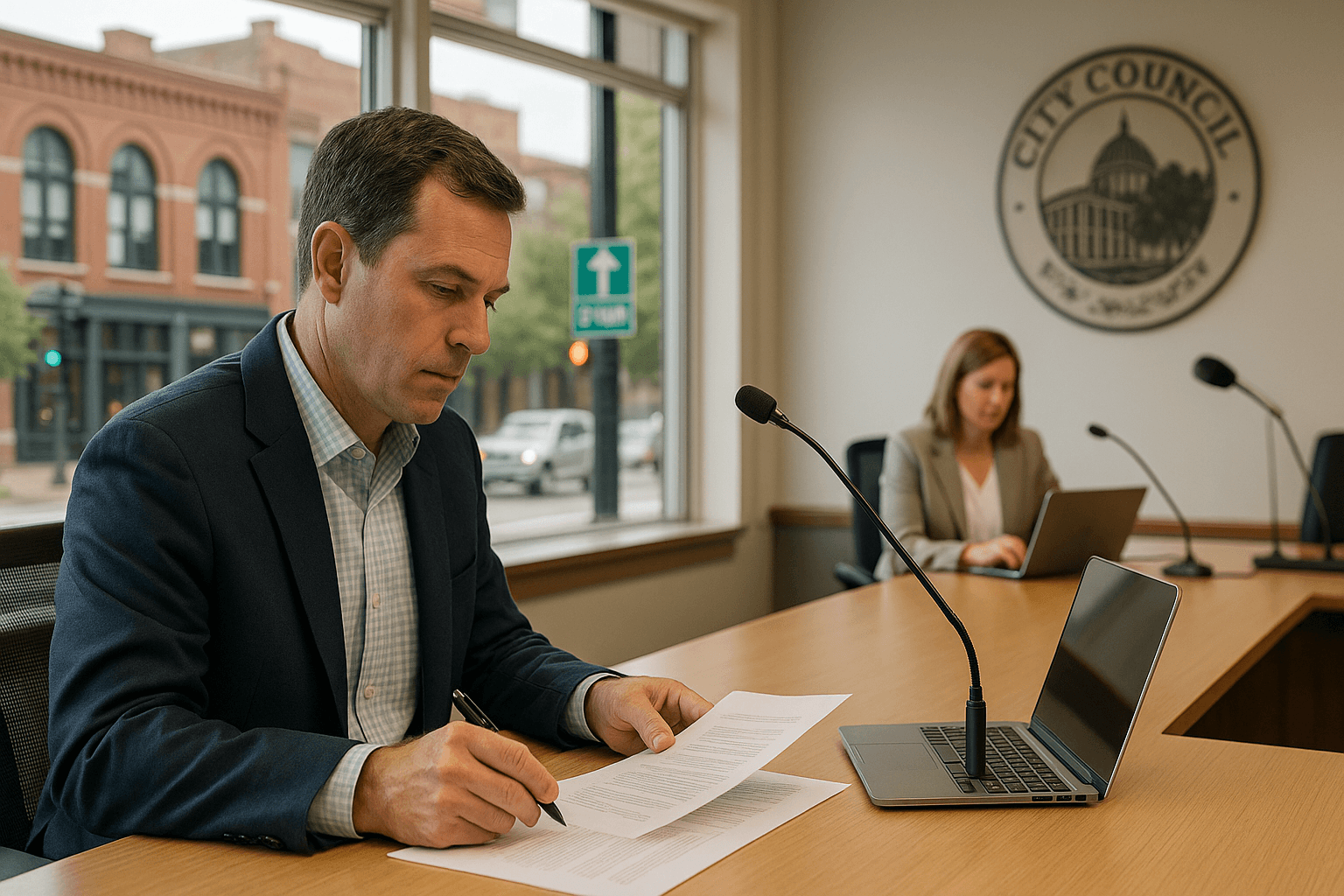
Traverse City commissioners are once again set to deliberate key language for a tax increment financing proposal, with a firm deadline looming over their discussions.
The urgency is palpable, as officials must finalize wording for the fall ballot after failing to agree earlier this month.
This proposal is centered around the new Infrastructure First TIF Plan, designed to ensure stable funding for vital city improvements just as the long-standing TIF 97 plan is about to expire downtown.
The debate among city leaders has focused on how to present estimated tax capture projections, since tax increment financing relies on expected increases in property values within specific boundaries, which in turn fuel public projects.
Forecasting these figures over a 20-year period leaves plenty of room for disagreement, with some board members worried about underestimating potential revenue.
A revised plan now reflects a robust seven percent annual increase, aiming to silence doubts about the TIF’s capacity to fund projects that matter to Traverse City residents.
Another layer of complexity surrounds the division of TIF revenues—specifically, how much would go to the DDA versus other local groups like Grand Traverse County and city services.
Commissioners ultimately decided to simplify the ballot language by removing references to the 70-30 revenue split, out of concern it could create confusion.
With a tight August deadline, attention is fixed on whether this version will move forward to a public vote in November.
In a related move that will change how people get around, another vote tonight could cement the shift to two-way streets Traverse City on State Street, Pine Street, and Boardman Avenue.
The ongoing pilot has already changed routines for drivers and pedestrians alike, and multiple advisory bodies—along with a city-hired traffic consultant—have recommended making the configuration permanent.
The Complete Streets Advisory Committee threw its support behind the new pattern this spring, citing greater accessibility, better traffic circulation, and more flexibility during busy events downtown.
Should the change stick, the city expects to modernize traffic signals, potentially extend two-way patterns, and invest in other infrastructure upgrades—steps locals say could invigorate business activity and downtown vibrancy.
From investments in street flow to the future of tax increment financing, this moment represents a crossroad for Traverse City’s growth, innovation, and community character. |



4 Comments
Join the conversation
Not sure about the two-way streets. Feels like every time I go downtown lately, I’m confused about what lane to be in. Maybe I’ll get used to it, but it’s a hassle for now.
Thanks for sharing your experience—the transition to two-way streets has definitely required some adjustment for many, and city leaders are closely monitoring feedback like yours as they consider making the change permanent.
I understand needing to fund projects, but seven percent annual property value increase seems pretty optimistic. What happens if growth slows down? Worried we’ll end up scrambling for money down the road.
Greg T.That's a good point, Greg. I remember the recession years when growth totally stalled. I hope the city has a contingency plan if the numbers don’t pan out as projected.